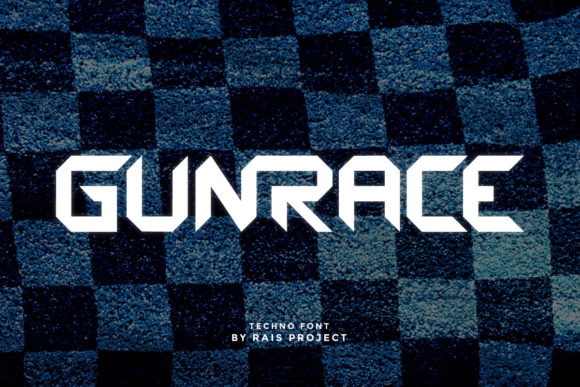
Gunrace Font Review
As a web designer, I’m always on the lookout for display fonts that bring energy and personality to a site without sacrificing readability. Gunrace caught my eye with its bold, robotic aesthetic and modern flair. After testing it in several real-world layouts, I can confidently say this font is a standout choice for digital design projects.
First Impressions: A Bold Statement
My first test of Gunrace was in a hero section for a creative portfolio website. The font’s sharp angles and futuristic vibe immediately added a sense of urgency and excitement. It worked perfectly as the main headline, drawing attention without overwhelming the viewer. The contrast between the font’s mechanical style and the soft background image created a dynamic visual balance that felt intentional and polished.
I also experimented with using it for a call-to-action button. The boldness of Gunrace made the button stand out, and the clean lines ensured it remained legible even at smaller sizes. This makes it ideal for buttons, headings, and other UI elements where visibility is key.
Responsive Design: Adapting to All Screen Sizes
One of the biggest concerns with decorative fonts is how they perform on mobile devices. Gunrace handled this well. On smaller screens, the font maintained its clarity and didn’t become too cramped or hard to read. I tested it on a landing page with a dark background and found that it still held up, offering good contrast without needing additional styling.
When placed over an image banner, the font retained its impact without blending into the background. This is crucial for websites that rely on strong visual storytelling. Whether it's a product landing page or a promotional campaign, Gunrace delivers consistent performance across different screen sizes and layout types.
Font Pairing: Balancing Style and Function
While Gunrace is a strong display font on its own, pairing it with a complementary typeface enhances its versatility. I paired it with a simple sans-serif font for body text on a blog redesign project. The combination created a clear visual hierarchy, allowing the headlines to command attention while keeping the rest of the content easy to read.
For a more editorial feel, I tried pairing Gunrace with a serif font on a course sales page. The contrast between the two styles added depth and sophistication, making the content feel more professional. This pairing works especially well for sites that aim to blend creativity with authority.
Usability Considerations: When to Use and Avoid
Gunrace shines in short phrases and headlines, making it perfect for logos, section titles, and CTA buttons. Its boldness ensures it commands attention, which is essential for digital branding and marketing efforts. However, it’s not ideal for long paragraphs or dense text blocks. Using it for body copy would make the content feel cluttered and difficult to scan.
I also tested it on a small navigation menu and found that the font became too busy at smaller sizes. For menus and form labels, a simpler typeface would be more appropriate. Similarly, accessibility-heavy interfaces or dashboard designs might not benefit from Gunrace’s decorative nature, as it could interfere with readability for users with visual impairments.
Practical Tips for Web Designers
If you're planning to use Gunrace in your projects, there are a few things to keep in mind. First, check the available styles and weights—some display fonts have limited options that may affect your design flexibility. Also, ensure that the font supports the languages you need, especially if your audience is global.
When using Gunrace on a website, consider the file formats and licensing. Make sure you have the right to use it commercially, especially if you’re working on client projects or online stores. Webfont versions are typically easier to implement, but always verify compatibility with your site’s platform and CMS.
Finally, test the font in different contexts. Try it on light and dark backgrounds, over images, and in various sizes to see how it performs. This will help you determine the best use cases and avoid any potential issues before launching a site.